1 15–20 minutes
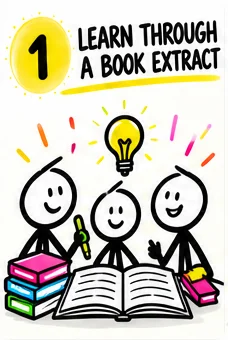
Learn Through a Book Extract
Use a short reading to generate practical insights through group discussion.
Discussion & reflection
View Activity27 tried-and-tested ways to get a group thinking, talking and doing.
27 activities
Use a short reading to generate practical insights through group discussion.
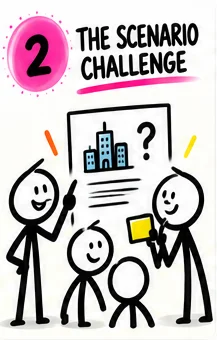
Apply new concepts to a realistic fictional dilemma.
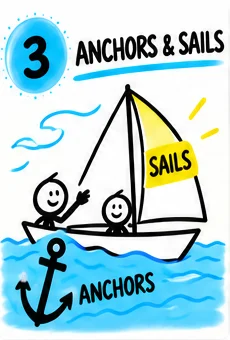
Identify what holds a team back and what helps it move forward.
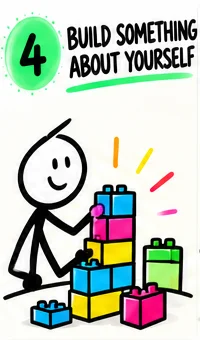
Create a playful personal introduction using a physical model.
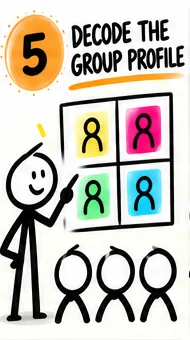
Turn aggregated survey results into a discussion about group strengths and blind spots.
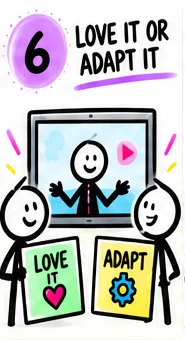
Evaluate an example by identifying what to keep and what to change.
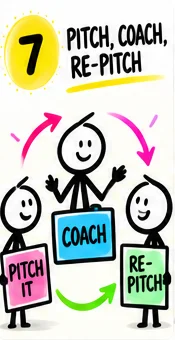
Improve performance immediately through a short feedback-and-retry cycle.

Use an everyday object to make an abstract concept memorable.
Spark curiosity by asking a question that challenges assumptions.
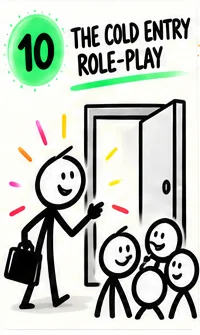
Practise entering a conversation without preparation.
Practise making ideas relatable through a short personal story.
Make specialist information understandable to a non-expert.
Build plain-language explanation skills through a guessing game.
Apply workshop learning to an authentic work artefact.

Learn from observation before introducing a framework.
Participants bring a real challenge and help one another diagnose its causes and identify concrete actions.
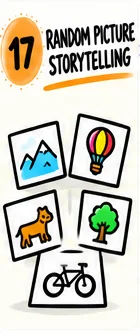
Create and tell an imaginative story by connecting pictures selected from a collection.
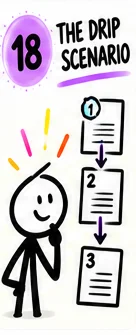
Make decisions as a fictional scenario unfolds through successive pieces of information.
Use a short audio extract to spark discussion and turn an idea into practical tips.
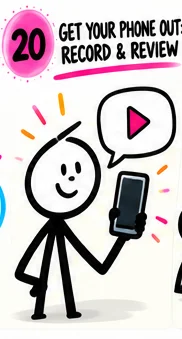
Hear your own speaking style, identify an improvement and compare two recordings.
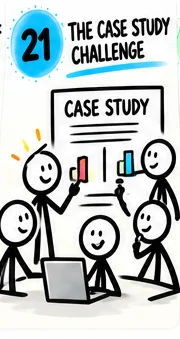
Investigate a realistic case, diagnose the problem and defend a recommended response.
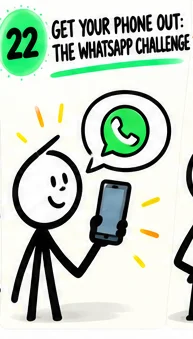
Practise expressing a complex update in a short, memorable message and then saying it aloud.
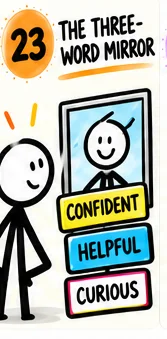
Explore how others may experience your behaviour by imagining their perspective.
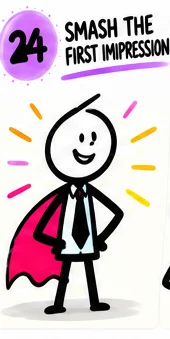
Design a short introduction that challenges assumptions people may hold about you or your role.
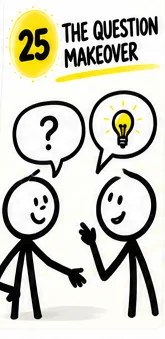
Transform routine questions into more natural, human conversations.
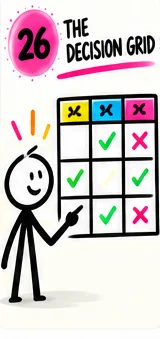
Help someone compare options using the criteria that matter most to them.
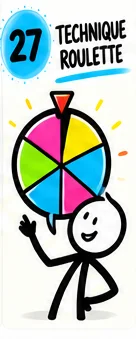
Match a limited set of techniques to different scenarios and justify each choice.